Tag: manual

  • Difference Between Automatic and Manual Cars

    It’s not embellish to say that many people don’t really know the exact difference between automatic and manual cars. Take an example of the answer we get from a random drive who have been driving an automatic cars with a valid driving license for 3 years, “You don’t have to worry much about driving an automatic car. I usually put the gear selector to D and just drive it. For manual cars, it is quite troublesome because you have to deal with the clutch and shift gears all the time.” She definitely made her point but there are few more things about both automatic and manual cars you need to know.

    8 Differences Between Automatic and Manual Cars

    Learn the difference between automatic and manual cars will allow you to drive better. It will also give you adequate knowledge to make the correct decision when buying a new car. Basically, there are five main differences between manual and automatic transmission cars.

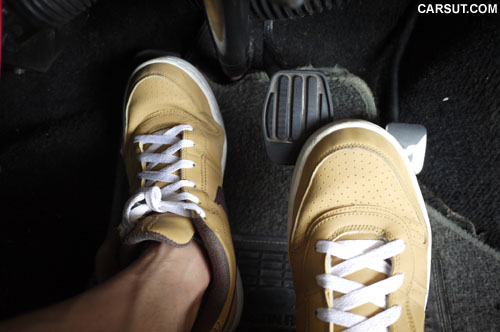
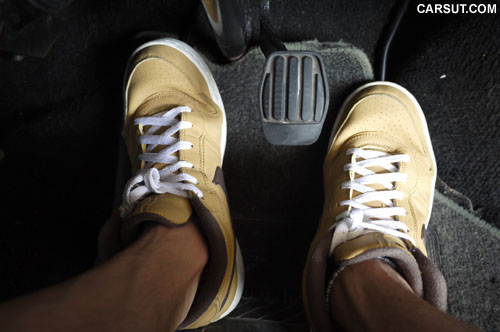
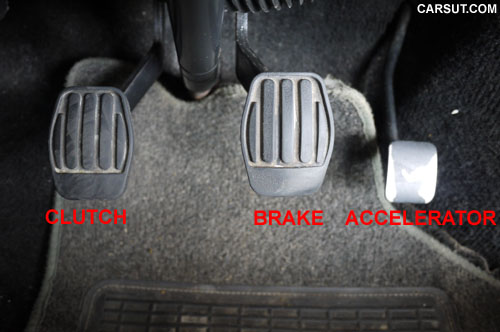
    1. A manual transmission car has three pedals – clutch, brake and accelerator (gas pedal). An automatic transmission car has only two pedals – brake and accelerator.

    difference between automatic and manual cars

    2. A manual transmission car features a gear shift. It is also known as Stick Shift. You need to press the clutch in order to shift gears. An automatic transmission car features a gear selector where you need to put the car to D to drive it. The gear selector in an automatic car also has P (Parking), R (Reverse) and N (Neutral).

    automatic and manual transmission cars

    3. It is more complex to get started on a hill when driving a manual car compare to automatic car. In a manual car, the driver needs to control the clutch and shift gears manually. See learning to drive a manual car for more details. In an automatic car, the driver only needs to put the gear selector to D and drive it because the car will shift automatically for you.

    4. You need to press the clutch and apply the brake to slow down or stop a manual car. As for automatic car, all you need to do is lift your right foot from the gas pedal to the brake to slow down or stop the car. Some people prefer automatic car because it is easier for parallel parking.

    5. When it comes to pricing, all the manual transmission cars tend to be less expensive compared to automatic transmission cars because the transmission system is simpler. An automatic transmission consists of complicated technology thus is it more expensive to repair. You could save up few hundred dollars if you are buying a stick shift.

    6. It is easier to do a burnout in manual car compared to automatic car because you can control the wheel spin with clutch. See how to do a burnout for more details.

    7. Automatic cars bring more advantages when you are driving in traffic jam because you don’t have to keep shifting gears like the manual cars. Driving a manual transmission car in traffic is simply gruelling.

    8. Manual transmission cars typically gives a better gas mileage. This is because the driver can control the car based on the road conditions. Also, you can rev your engine to the redline in a manual car but you can’t do it in automatic cars. Redline is the maximum RPM value a car engine is able to handle.

    Most cars on the road today are automatic transmission because they are easier to drive especially for people who are learning to drive a car. In conclusions, there are advantages and disadvantages of both manual and automatic cars. All you need to do is understand the difference between automatic and manual cars and go for the one that suits your needs the best.
  • Learning to drive a manual car

    Most people find learning to drive a manual car is much harder than an automatic car especially when they need to do a parallel park or drive uphill. Students often fail in these two skills in the driving test. There is a necessity to master these skills not only for the test but also to drive better in your life. Here is the step by step on how to drive a manual car and tips to handle all kind of circumstances in a manual car.

    Understand a manual transmission car

    Manual car

    A manual transmission car has three pedals: on the right is the gas pedal/accelerator, on the left is the clutch pedal, and in the middle is the brake pedal. A clutch is a doorway to shift the gear. No gear can be shifted if the clutch is not applied. Whether it is LHD (Left-Hand-Drive) or RHD (Right-Hand-Drive), you will see these three pedals. For LHD car, you will use your right hand to shift the gear and the other way round for RHD car.

    Study the Stick Shift

    Stick Shift

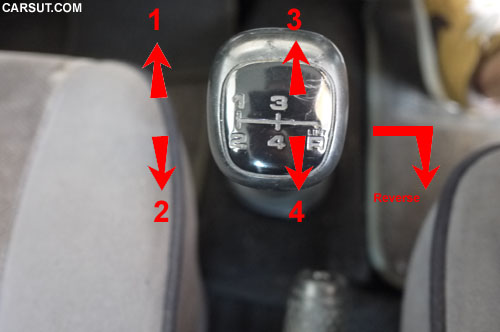
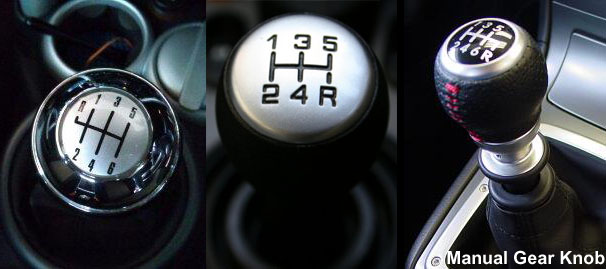
    Most of the manual cars running on the road today are five-speed. Some manual cars like the Honda CR-Z have six-speed while some earlier type has only four-speed. Before driving the car, sit on the driver’s seat, use your left foot to press the clutch to the floor and try to shift every gear to familiarise with it. The numbers indicate the gear and the “R” means reverse gear. Check if your gear knob has a button that locks the reverse gear. Some cars like the Renault Kangoo comes with a lock where you need to press/pull a button to shift the gear into reverse. Once you are familiar with the shifting, make sure you shift it back to neutral (in the middle where you don’t feel the stiffness in the gear stick) before starting the car.

    stick shift pattern

    Step by step to drive a manual car

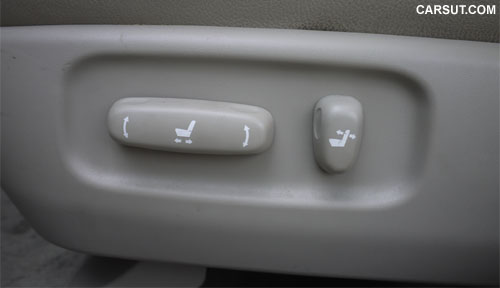
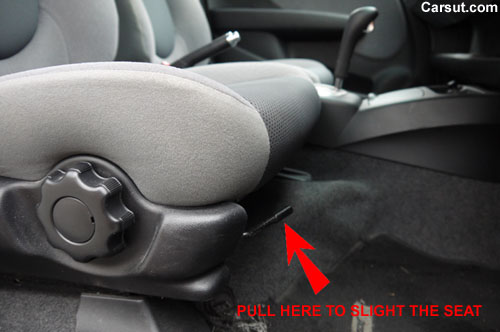
    Step 1: Adjust the driver’s seat to a position where you can fully step down the clutch pedal with your left foot. Your body will move back a little bit when you drive up hill. Therefore, do not slight the seat too far or too close from the pedals.

    automatic seat adjuster

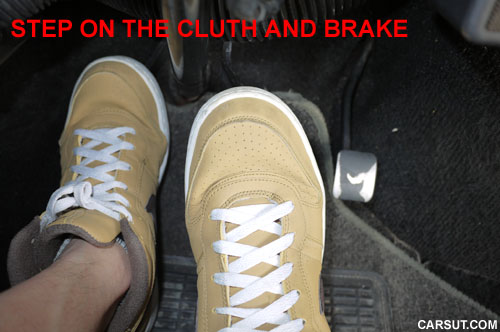
    Step 2: Make sure the gear is shifted to neutral and the handbrake (e-brake) is engaged. Use your right foot to step on the brake and start the car. For better practice, you may also press the clutch with your left foot every time you start the car to avoid the car going forward if the gear is engaged without your knowing.

    manual transmission car

    Step 3: Press the clutch all the way down to the floor and shift the gear to first (1) gear. Look around to see if there are any vehicles coming. If it is safe to take off, release the handbrake.

    Step on the clutch

    Step 4: Release the clutch gently and step on the gas pedal lightly simultaneously. Give more gas to the car or hold the clutch if the engine sounds like it is going to stall. Move your left foot to the foot rest area when the car moves forward.

    drive a manual car step four

    drive manual transmission car step 5
    Step more on the gas pedal/accelerator to go faster

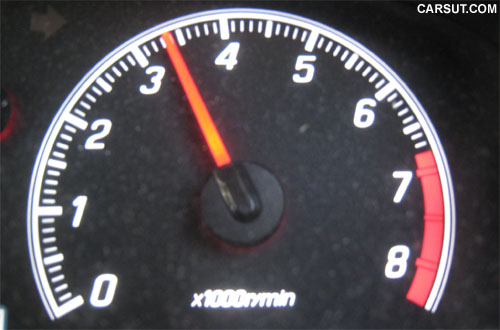
    Step 5: Change gear. An experienced driver knows when to change the gear by listening to the engine sound. A good way for beginners is to look at the RPM gauge. Shift the gear when it reaches about 3000 to 4000 rpm. To shift to second gear, lift the right foot from the gas pedal, press the clutch pedal all the way down and shift to second gear. Release the clutch gently and step on the gas pedal as in Step 4. The more you step on the gas pedal, the faster the car goes. Repeat the same process to shift to other gears.

    3000 rpm

    Step 6: Slow down and stop. Lift your right foot from the gas pedal, use the left foot to press the clutch, and then apply the brake to slow down the car or to stop the car. Once the car is stop, shift the gear to N (Neutral) and apply the handbrake.

    drive manual transmission car step 6

    Tips

    Seating Position. Many people fail in the driving test during uphill because their left foot could not fully reach the clutch pedal. This is because the seat is too far from the pedals. Adjust it to a position where you are able to press the clutch all the way down the floor even your body is close to the seat.

    Clutch Control: First gear is always the hardest. Control the clutch gently every time you release it. Gently here means slowly, gradually, or bit by bit. Many first time learners lift their left foot immediately and cause the car engine to stall. Step hard on the brake and the clutch, and pull the handbrake to stop the car in case of emergency.

    Reverse: Many people make mistakes by shifting the gear to reverse while the car is still moving forward. Wait until the car stopped completely and then only shift to reverse gear.

    Stop at traffic: Shift the gear to neutral and apply the handbrake every time you stop at traffic. This is to secure the car from being jerk forward if you are hit from behind.

    Going uphill: If you are going uphill and need to stop the car on the slope, shift to neutral and apply the handbrake. To continue the journey, step on the clutch, shift to first gear, and give more gas (step harder on the accelerator) with your right foot. Release the handbrake when you feel it is powerful enough to move forward. More gas (But not too much) is needed because the car is in a sloping position.

    Going downhill: Shift to lower gear for downhill driving to increase the engine braking effect.

    Most drivers experienced engine stall while they learn how to drive a manual car. Practice makes perfect. The more you practise, the better your driving skill will be.

  • Learning To Drive A Car

    Learning to drive a car is easy with the following guide. This includes safety driving tips, videos on how to drive a car (either manual or automatic transmission), and also tips to handle a car during emergencies. There are three “Ps” you need to know: Preparation, Precaution, and Practice. Preparation is what you need to do before sitting on the driver’s seat; Precaution is what may happen while driving; Practice is what every driver needs to do to improve their skills.

    Preparation

    Most people will feel panic for the first time. People who have excessive hand sweating or sweaty palms may consider putting on a pair of driving gloves. Driving gloves allow a softer and better grip on the steering wheel. A firm grip on the steering wheel allows more control and also increases the safety at high speed.

    Sitting position

    The sitting position is very important in order to control a car well. Adjust the driver’s seat for proper leg room that fits you the best. Slight, tilt, and seat angle are what you need to adjust. Slight the seat to a position where your foot can operate the pedals with your back supported by the seat. It is not good if the seat is too far from the pedals because your foot may not reach them especially driving uphill. If the seat is adjusted too close to the pedals, the driver may suffer from leg cramp.
    Driver's seat
    (Pull it to slight the seat to the best position)

    People often tilt the driver’s seat to a wrong position. The seat should be tilted to make you feel more comfortable while driving.

    Driver's seat

    The button to adjust the seat angle is usually located near to your back. The best angle is between 100 to 110 degrees because this angle supports your body weight and maintains an attentive posture. The picture shown here is a driver seat from a Honda Fit (Honda Jazz). Different cars will have different ways to adjust the seat, car seats in some suitably equipped cars can be adjusted using electronic controls.

    Learn the dashboard symbol

    Before getting into a car, you need to understand how a car runs. Every dashboard symbol means something to the driver. You will need to find it out from the owner’s manual. Here are the basic three symbols you need to know:

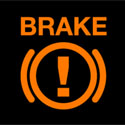
    1. Brake system warning light
    handbrake symbol
    If this symbol light is on, it means the e-brake is engaged. New drivers always forget to release the e-brake and just step on the gas pedal to run the car.

    2. Low Fuel
    low fuel symbol
    This symbol means the car is running out of gasoline or petrol. If you see the light is on and the driving distance is far, please go to the nearest petrol station and top up the petrol.

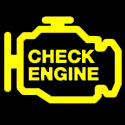
    3. Engine warning light
    engine warning light
    You can definitely see this symbol in most cars. This symbol indicates that the engine oil level is too low. The lights should extinguish as soon as the engine starts.

    Do not carry extra passengers
    Having an instructor sitting beside is good, but it is not advisable to carry extra passengers when you are learning to drive a car. Extra passengers may distract you while driving. It is also recommended to switch off your mobile phone to avoid distractions.

    Understand traffic rules

    It is a must to have a Learning License or Student Driver Magnets to be able to drive on the road. For new drivers, it is recommended to learn at housing areas or places with less traffic. You will need to understand some basic traffic rules including:

    • Do not hit a pedestrian.
    • Do not speed over the limit.
    • Do not beat red light.
    • Do not cross lane. Keep to your own lane.
    • Do not over take if it is prohibited.
    • Do not drive on the wrong direction of a one-way street.
    • Make sure the road is clear before making a turn.
    • Stop at red signal before the stop line.
    • Give signals when you want to make a turn and follow the correct lane when turning.
    • No texting while driving.

    Understanding the car

    It is advisable using cheap cars for your learning. This can reduce the pressure in you. Otherwise, pick an easy-to-control car such as the Honda Fit, Toyota Yaris, Mazda Mazda2, Chevrolet Sonic, Ford Fiesta, Hyundai Veloster, Mini Cooper, Kia Soul, Smart Fortwo, Honda City, Nissan March, Perodua Myvi, Toyota Prius C, and Honda Brio.

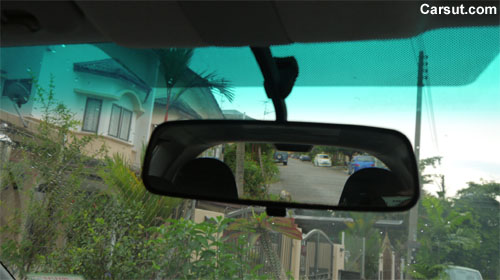
    rear view mirror

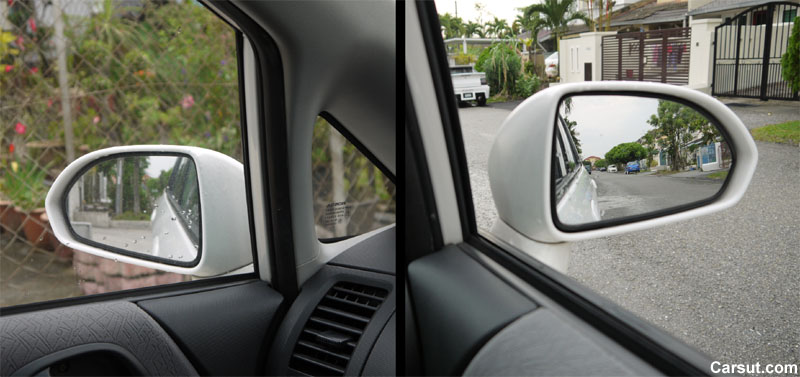
    A standard car will have a steering wheel, a gear knob, a rear view mirror, two side mirrors, as well as a speedometer to show the speed of the car. Adjust the rear view mirror so that you can clearly see what is coming from behind. Also adjust both the side mirrors to a position where you can clearly see both sides.

    side mirror

    Understand that there are manual transmission car and automatic transmission car. A manual transmission car will have a manual gear knob with numbers on it. It also has three pedals: clutch pedal, brake pedal, and accelerator/gas pedal. An automatic transmission car or automatic car will have only two pedals for brake and gas. If you are ready, choose one of the guides below based on the transmission mode in your car:

    You can also learn these techniques to improve your driving skills.