Author: admin

advertisements
  • Cute Asian Car Show Girls

    It’s been years since we posted all the eye-catching pretty girls from Bangkok Motor Show. In the last day of November, here we would like to present some of the really cute Asian Car Show Girls. All these photos are taken by our professional photographer at a recent car show held in Asia. Enjoy!

    cute asian car show girls
    cute asian car show girls
    cute asian car show girls
    cute asian car show girls
    cute asian car show girls
    cute asian car show girls
    cute asian car show girls
    cute asian car show girls
    cute asian car show girls
    cute asian car show girls
    cute asian car show girls
    cute asian car show girls
    cute asian car show girls
    cute asian car show girls
    cute asian car show girls
    cute asian car show girls
    cute asian car show girls
    cute asian car show girls
    cute asian car show girls
    cute asian car show girls
    cute asian car show girls

    If you love all these car show girls photos, do like it and share it out to your socials!

  • List of Car Parts

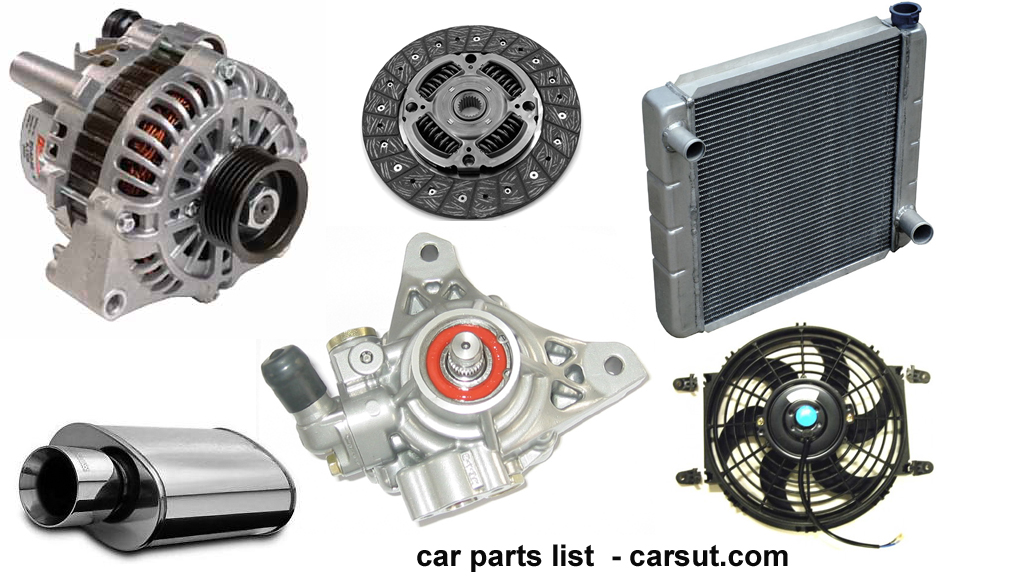
    Here’s a complete list of car parts and their functions. The list here includes almost everything you can see on a car such as car body, wheels, tires, seats, battery, interior, dashboard, as well as every part under the hood. Each part on a car has name. You should learn the top 10 most important auto parts and components to make things easier when it comes to car maintenance. The list here is sorted from A to Z according to car parts vocabulary word. Let’s begin to learn the ABC!
    list of car parts automobile

    A

    accelerator
    accessory belt
    airbag
    air conditioner
    air conditioning – a complete ac system includes A/C cluth, A/C compressor, A/C condenser, A/C hose, A/C kit, A/C relay, A/C valve, A/C expansion valve, A/C low-pressure valve, A/C schrader valve, A/C INNER PLATE, A/C cooler, and A/C evaporator.
    air conditioning compressor – a main component to put freon in the AC system for you to stay cool inside the car.
    air filter – filter all the unwanted dust and allergens before the air gets into your car.
    air intake housing – car parts under hood
    air intake manifold – car parts under hood
    air vent
    alarm and siren
    all-wheel drive
    alternator – there are alternator bearing, bracket, fan and other alternator parts. It allows your car battery to charge while the engine is running.
    anchor
    antenna
    anti-lock brakes system (ABS)
    armrest
    auto
    automatic transmission
    automobile
    axle – an important part of any car to keep the wheel rolling.

    B

    baby car seat
    baby seat
    back-up lights
    battery – this is the main thing/power to turn on your car. There are battery box, cable terminal, cable, control system, plate and tray.
    bench seat
    bleed nipple
    bonnet
    brakes – you can’t stop a car without a brake system. this include brake fluid, drum, lining, pad, pedal, piston, pump, roll, rotor, server, shoe, lining, caliper, hose, hydraulic booster, master cylinder, metering valve, vacuum brake booster, and wheel cylinder.
    brake backing plate
    brake backing pad
    brake cooling duct
    brake disc
    brake light
    brake pedal
    bucket seat
    bumper – there are unexposed bumper and exposed bumper

    C

    camshaft – car parts under hood with bearing, fastener, follower, locking plate, pushrod and spcer ring
    car
    carburetor – it mixes air with a fine spray of liquid fuel for combustion.
    carpet
    catalytic converter – reduce the emissions from your vehicle.
    center console (front and rear)
    central locking
    chassis
    chassis control computer
    child car seat
    chrome trim
    clutch – clutch move form gear to gear to keep the driving smoothly.
    computer
    connecting rod – connecting rod bearing, bolt and washer.
    console
    cooling system
    cowl screen
    crank case
    crank pulley
    crankshaft
    cruise control
    cylinder
    cylinder head
    cylinder head gasket

    D

    dashboard – there are center console and glove compartment
    defroster
    decklid – a cover allows you to access to the main storage or luggage compartment. Mostly on a station wagon.
    diesel engine
    differential
    dip stick
    distributor
    distributor cap
    door
    door contact
    door handle
    drive belt
    drive shaft
    driver’s seat

    E

    emergency brake
    emergency lights
    emissions
    engine – see the labeled diagram of car engine for better understanding.
    engine block
    engine cradle
    engine computer and management system
    engine control unit (ECU)
    engine fan – to keep air flowing over the radiator to cool down the engine coolant.
    exhaust pipe
    exhaust system – exhaust clamp and bracket, flange gasket, manifold, pipe, heat shield, heat sleeving and tape, and spacer ring.

    F

    fan belt
    fascia rear and support
    fender
    filter
    floor mat
    fog light
    four-wheel drive
    frame
    front clip
    fuel
    fuel cap
    fuel filter
    fuel gauge
    fuel injector – it gets the gasoline/petrol from the fuel tank into the engine.
    fuel pump
    fuel pressure regulator
    fuel rail
    fuel tank
    fuse
    fuse box

    G

    gas
    gasket
    gas pedal
    gas gauge
    gasoline
    gas tank
    gauge – ammeter, clinometer, dynamometer, fuel gauge, manometer, hydrometer, odometer (also called milometer/mileometers), speedometer, tachometer (rev counters), temperature gauge, tire pressure gauge, vacuum gauge, voltmeter, water temperature meter.
    gearbox
    gear shift
    gear stick
    glove compartment
    glowplug
    GPS
    grab handle
    grille
    ground strap

    H

    halogen
    hand brake
    headlamp
    headlight – also called headlamp
    headrest – also called armrest monitors
    heater
    high-beam headlights
    hood
    horn – or trumpet horn
    hubcap
    hybrid

    I

    ignition
    ignition coil
    ignition magneto
    indicator light – also called signal light/lamp
    instrument panel
    interior light
    internal combustion engine

    J

    jack – a car jack is important because you can’t change your tire without it.

    K

    key

    L

    license plate
    lights
    lock
    low-beam headlights
    lug bolt
    lug nut
    LPG (Liquefied Petroleum Gas) system

    M

    manifold
    manual transmission
    mat
    mirror
    mirror monitors
    moon roof
    motor
    mud flap
    muffler – the main job is to decrease the amount of noice emitted by the exhaust of an internal combustion engine.

    N

    navigation system

    O

    0-ring
    odometer
    oil
    oil filter
    oil gasket
    oil tank

    P

    parking brake
    parking lights
    passenger seat
    pedal
    pillar and hard trim
    piston – parts inside a gasoline engine to handle explosions. It’s also where your car get the horsepower.
    piston pin and crank pin
    piston pin bush
    piston ring and circlip
    power brakes
    power steering
    power window switch

    Q

    quarter panel

    R

    radiator – a major part under the hood to keep the car’s engine cool all the time.
    radio – see list of car audio brands
    rag top
    rear-view camera
    rear-view mirror
    rear window defroster
    relay
    relay connector
    remote lock
    reverse light
    rims – there are hubcap at the center
    rocker
    rocker cover
    roll cage
    roof
    roof rack
    rotary engine

    S

    seat – bench seat, bucket seat, children seat, infant seat.
    seat belt
    seat bracket
    seat cover
    seat track
    shift
    shock absorber – an important part to reduce the stress of the bumping and make your ride more pleasant.
    side airbags
    side mirror
    spare tire – nowadays some new cars feature run-flat tires and you don’t see these anymore.
    spark plug – very high voltage as it uses an electric spark to ignite fuel in the engine. This is
    sparking cable
    speaker
    speedometer
    spoiler – there are front spoiler and rear spoiler
    starter – there are starter drive, starter motor, starter solenoid
    starter motor
    steering column
    steering wheel
    subwoofer
    sunroof
    sun visor
    supercharger
    suspension – come with beam axle, control arm, axle, idler arm, kingpin, panhard rod, pitman arm, rack end, spindle, steering arm, steering box, steering column, steering rack, tie bar, tie rod, and trailing arm.
    switches – battery switches, door switch, ignition switch, power window switch, steering column switch, swtich cover, switch panel, thermostat, frame swith and other parts and functions of starter system.

    T

    tachometer
    tailgate
    temperature gauge
    thermometer
    thermostat
    throttle body
    tire
    trailer hitch
    transmission – very complicated thing. In a nutshell, it turns the power from engine into movement and transmit it all the way to the four wheels on a car.
    trim
    trip computer
    trunk – also called boot or hatch
    turbo charger
    turn signal

    U

    undercarriage
    unleaded gas

    V

    valance
    valve
    valve cover
    valve housing
    valve spring
    valve pump pulley
    vents
    visor

    W

    water neck
    water pipe
    water pump
    water pump gasket
    water tank
    warning light
    welded assembly
    wheel
    wheel well
    window
    window regulator
    window seal
    windshield – also called windscreen
    windshield washer motor
    windshield wiper

    From time to time, we are making the list better and better. There are so many car parts in a car and some parts are definitely missing. Please do not hesitate to contact us if you find any car part is missing from the list above. We will add it in to make the list of car parts a 100% complete one. Last but not least, see also:


  • How to Get Rid of Car Loan

    When you feel your car payments have become a burden for you or your family, it is time to learn how to get rid of the car loan. It’s common to see someone made a wrong decision when dealing with their car loan. This often happens when a person is facing bankruptcy. Whatever the reasons are, there are many ways to get rid of a car loan. Follow the step by step guide below to get out of a car loan if you have these questions in mind:

    • How to get rid of a car you owe money on?
    • How to sell your car privately when you have a loan?
    • How to get rid of a car payment?
    • How to get rid of car loan debt?

    how to get rid of car loan

    Step 1: Check your car’s market value

    Understanding your car’s market value is the first thing you have to do. DO NOT estimate your car by just checking a used car websites online. Use a reliable online valuation service such as NADA Used Car Guides or Kelley Blue Book (kbb.com). Kelley Blue Book is widely recognized by both consumers and the automotive industry so the report is trustworthy. In addition, drive your car to at least 2 or 3 local used car dealerships to see what are the prices they offer. There are many factors to determine your car price, for example, body condition, extra accessories, mileage and overall condition.

    Step 2: Check if you have an upside-down loan

    Now you already know the market value of your car, compare it with your current loan amount and see if you have negative equity or not. An upside-down car means you owe the loan more than the car’s value. Having an upside-down loan is very common if you just own the car for 1 to 3 years. If you don’t have a negative equity, congratulations! You can just sell your car right away to get rid of the remaining car loan.

    Step 3: Solutions for upside-down car

    There are a few options you can do if you have an upside-down car. It depends on what you plan to do next. For example, if you no longer need the car and want to get rid of car loan completely, you can borrow the difference. Let’s say you owe $15,000 on the car, and the current market value is only $12,000, borrow $3,000 to pay it off. On the other hand, if you still need the car and want to lower your monthly car payment, you need to refinance. In our Car Buying Guide, we mentioned that refinancing is one of the easiest and simplest way to pay off your car loan faster. Do some research to find out which local banks or credit companies are offering low interest rates for refinancing. Lastly, if you are selling your old car for a brand new car, the only thing you can do is pay the difference. You will need extra cash for the new car down payment too. There is no way to buy a new car without extra cash if you are having an upside-down car loan.

    Step 4: Sell your car privately when you have a loan

    If you are selling your car privately to a friends or someone else, he or she would have to get approved for a new loan in the amount of the agreed purchased price. The new owner’s bank will then pay you the money. You can then use the money to pay off your own car loan. Extra money is needed if your loan is upside-down. Otherwise, you could have some extra money left if the selling price is higher than your loan amount.

    Step 5: Use cash to pay off the car loan

    The best method to completely get rid of car loan is to pay it off with cash. It is always the easiest and cheapest option as there is no extra cost for loan processing fees. With adequate amount of cash on hand, you can contact your lender to discuss the available options to pay it off. Without a car loan, you can live a debt-free life. Last but not least, see also Buy a new car with cash: Smart or Stupid?

  • Tips for Using Car Touch Up Paint

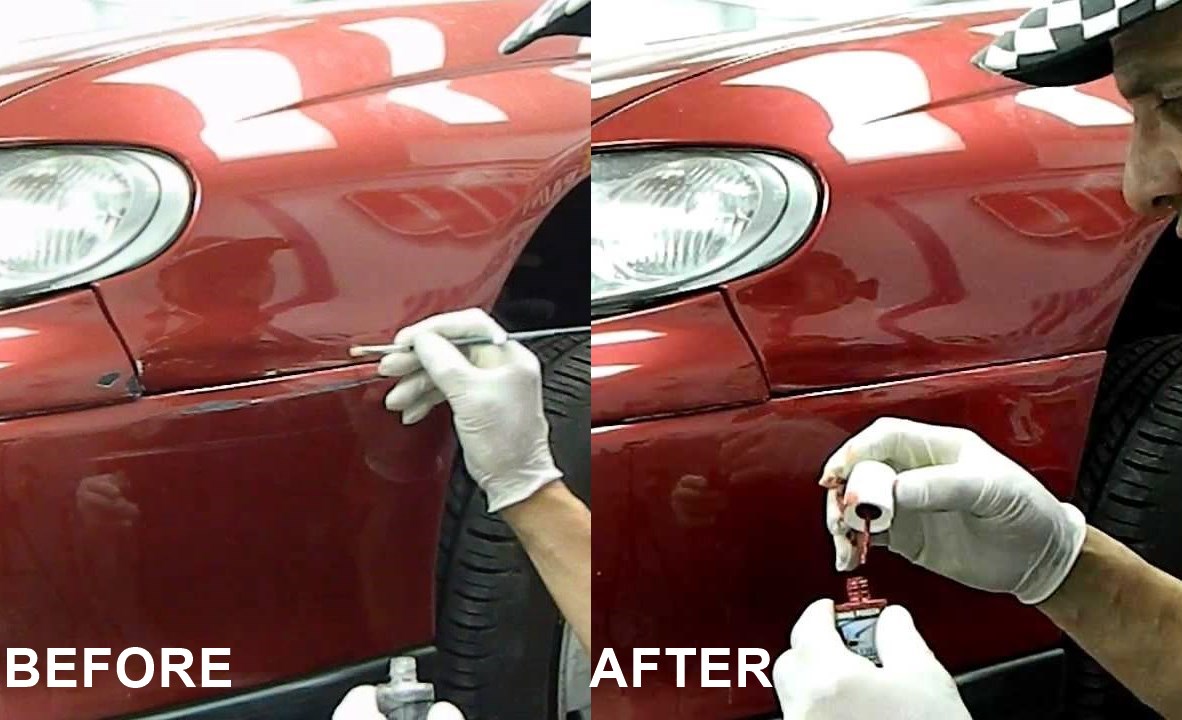
    In this article you will learn how to use car touch up paint to repair scratches and chips on your vehicle’s paint surface. A car touch-up paint is a small pen containing a small amount of paint that matches your car color. It is available at many auto parts stores at dirt cheap price. Instead, you can also buy a car touch-up paint online via Amazon or other online auto parts store. To many people, it sounds very easy to apply touch up paint on a car’s paint surface. It is supposed to work like that but you have to apply it properly on area with scratches, rust spots or chips. Otherwise you will waste your effort. Follow the 10 tips for using car touch up paint here in order to ensure you get the best results in making your car look brand new again.

    How to Apply Car Touch Up Paint

    Basically, the process is as simple as the following three steps:

    1. Find the area with scratches, chips, rust spots or damage.
    2. Clean up the area. Remove the rust with sand paper if needed.
    3. Prime the area after it is cleaned. It is recommended to use thin coats of primer. Let it dry overnight in order to get the best result.
    4. Apply the touch up paint.
    5. Wait for at least three days and use rubbing compound to make it shine.

    See also: Customize your own car

    10 Tips for Using Car Touch Up Paint

    using car touch up paint

    Tip 1: Buy the Correct Color According to User’s Manual

    The biggest mistake in using car touch up paint is get the wrong color. There are hundreds type of red, thousands type of blue and even black. A wrong paint color will result a big contrast on your car when looking at it. Therefore, make sure you check your color code from your user’s manual or via your vehicle’s VIN number.

    Tip 2: Use Masking Tape to Protect the Surrounding Area

    Use masking tape or painter’s tap with old newspaper to protect the surrounding area. Simply apply the tape along the edges of the spot you want to paint. For small area, cut a hole in the middle of a paper and tape it on.

    Tip 3: Use the Right Sand Paper

    Remove all the rust spots with the right sand paper. For area with bad rust, use 80 or 120 grit sandpaper to sand the area. Once you feel the damage has been sanded to moderate, use 320 grit and 1000 grit to sand it until the surface looks smooth.

    Tip 4: Make Sure It’s Clean

    Use soap, grease remover and wax to clean the area you want to touch up the paint. Make sure it is 100% clean. It is easier to apply paint on a clean and dust-free area.

    Tip 5: Use Very Thin Coats of Primer

    Buy the thinnest coats of primer to apply on your car’s paint surface. Thin coats of primer is ready to spray and it doesn’t require thinning.

    New to car? Check out our Car Buying Guide and Driving categories.

    Tip 6: Test the Paint Color Match

    Use a piece of metal to test the car touch up paint you bought. Make sure the paint matches your car color before you apply it. In case you only notice the color is wrong after applied on your car, use automotive lacquer thinner to remove it quickly before it dries up.

    Tip 7: Use Good Quality Car Touch Up Paint

    There are different types of car touch up paint available in the market, for instances, paint pens, paint kits, bush cap paints and spray paints. Identify the number of damage on your car as well as how big the area is. Paint pens is good to color small dings and nicks. On the other hand, spray paints is good for larger repairs.

    Tip 8: Give Time to Dry the Paint

    72 hours is the best time for any type of paint to dry up completely. Thus, it’s recommended to leave the car in a clean garage for at least three days for the paint to dry up.

    Tip 9: Wax after Paint has Dried

    Wax the car from head to toe once to restore shine once the paint has dried. For best results, it is suggested to allow the car paint to dry for at least 30 days before waxing. The car will look brand new after waxing.

    Tip 10: Do it When Humidity is Below 50%

    Car paint dries best with the humidity below 50%. It is perfect if the temperature is at least 70 fahrenheit (21 celsius). Hence, start your spray job during this time will give you the best result.

    It’s good to experience using car touch up paint to repair your own car. You will know how to inspect a used car before buying it in the future. At least you know which area has been touched up before.

  • How to Change Gears in an Automatic Car

    Although an automatic car handles almost everything related to the gears, there are times when you need to change gears manually even in an automatic transmission. These circumstances are such as when you need to overtake a car at a speed very close to you or when you need extra power to go uphill. Compared to manual transmission cars, an automatic car is much more popular because it shifts gears robotically for the driver. Many new drivers who are learning to drive a car prefer to buy automatic cars over manual cars because it’s easier to drive uphill without rolling back. In addition, it’s easier to drive because you don’t have to worry about the gearbox.

    Automatic Car Gear Pattern

    In the late 80s and 90s, almost all states in the U.S. requires everyone to learn to drive a manual car before they are able to get a valid driving licensed. In recent years, people in certain states are able to get a valid driving license as long as they know how to drive an automatic car. This happens not just in the U.S. but also some other countries such as Canada, Japan, Mexico, South America, China, Germany, United Kingdom, Singapore and others. However, it’s vital to know the difference between automatic and manual cars even if you don’t plan to drive a stick shift forever.

    change gear automatic car transmissions
    Gear selector on different automatic cars

    A standard automatic gear selector is usually come with four basic markings, they are P  for Parking, R for Reverse, N for Neutral, and D for Drive. Some automatic cars come with a small overdrive button located on the gear selector. For luxury automatic cars, it usually comes with extra markings other than the basic four mentioned. Normally you will see D3 (third gear), 2 (2nd gear), S (Second gear), 1 (first gear), L (Low gear) or other similar markings. You can change gears in an automatic transmission as long as you understand all meanings on the marking. Also, you can even make an automatic car tires spin once you have captured the idea.

    Three Ways to Change Gears in An Automatic Car

    There are three easy ways to shift gears in an automatic car. The first method applies to all automatic cars while second only applicable to a car that comes with overdrive features. The last method works on automatic cars with extra markings on the gear selector, for example, D3, D2, 1, D, and + or – signs.

    Method 1: Step on the gas pedal

    Step on the gas pedal as hard as you can to downshift for more power if you are going uphill or overtaking another car. Many new cars are designed to downshift for more power when a driver step on the gas pedal all the way to the floor. You will feel your car accelerates quickly once the gear is changed. On the other hand, you can also downshift a car by easing off the gas pedal. To upshift, simply give more gas to your vehicle.

    Method 2: Use the Overdrive

    The overdrive method is one of the easiest way to downshift an automatic cars. Activate the overdrive feature to downshift when you are driving at sustained speed. The car will give you more power with higher Revolutions Per Minute (RPM) to overtake any vehicle in front.

    overdrive automatic cars

    Method 3: Use the Extra Markings

    Using the extra markings on your gear selector is one of the best way to change gears in an automatic car. First of all, you will need to study the number of gears you have in your car. There are 7 speed, 6 speed, 5 speed as well as 4 speed automatic transmission. Normally your gear selector will be at D (Drive) while cruising at a constant speed. To downshift, simply shift the gear selector to one speed lower than D, normally it will be S, D3, 2 or L. This is very helpful when you are going uphill or need extra power. Remember to shift the gear selector back to D otherwise your car will be maintained at low gear.

    Last but not least, check out our step-by-step driving guide: How to parallel park a car, How to turn on car headlights, How to do a burnout. Alternatively, you can also read our complete car buying guide that you won’t find it elsewhere.